How we Manage Multiple Shed Lot Locations Without the Headaches
Copy Link
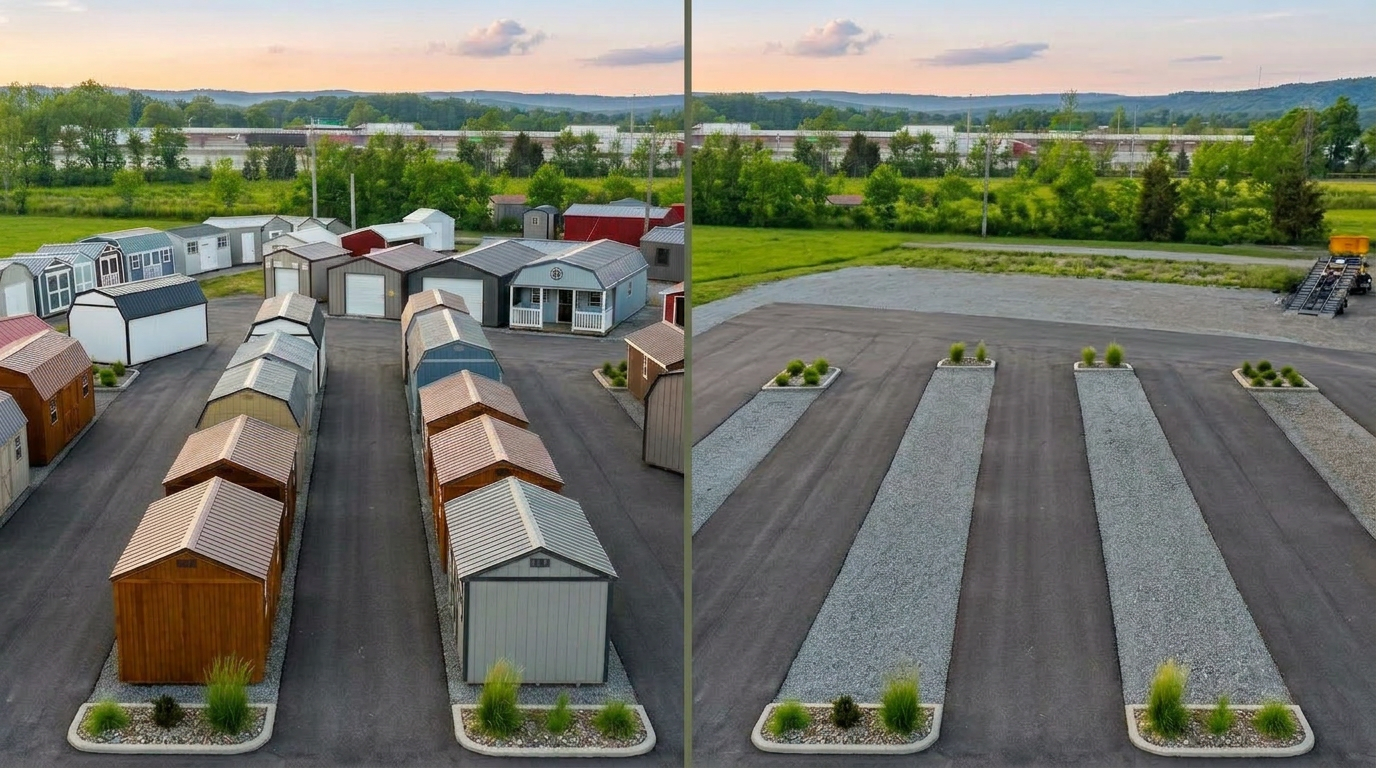
Opening a second shed lot feels like growth.
Opening a third or fourth starts to feel different.
Now inventory is spread out. Sales teams work differently at each location. Leads come in from multiple directions. At the same time, it becomes harder to answer simple questions:
Which lot is performing best?
Where is inventory moving fastest?
Which location is wasting leads?
This is where many growing shed businesses hit a new wall.
The issue is no longer demand.
It’s visibility.
More Locations Create More Complexity
At first, managing multiple lots seems straightforward. Each location handles its own customers, inventory, and sales process.
However, over time, cracks start to form.
One lot sells out of popular buildings while another has aging inventory sitting untouched. One team follows up quickly while another lets leads sit too long. Marketing works in one region but underperforms in another.
Without centralized systems, every location starts operating like its own business.
That creates inconsistency. And inconsistency slows growth.
Inventory Visibility Is the First Problem to Solve
Inventory problems multiply fast across multiple locations.
A customer calls asking about a building. One lot says it’s unavailable. Another lot has the exact model sitting unsold.
The problem is not inventory itself.
The problem is visibility.
When inventory lives across spreadsheets, text messages, or disconnected systems, your team cannot make fast decisions. As a result, buildings sit longer than they should and customers hear “no” more often than necessary.
This is where centralized inventory management changes everything.
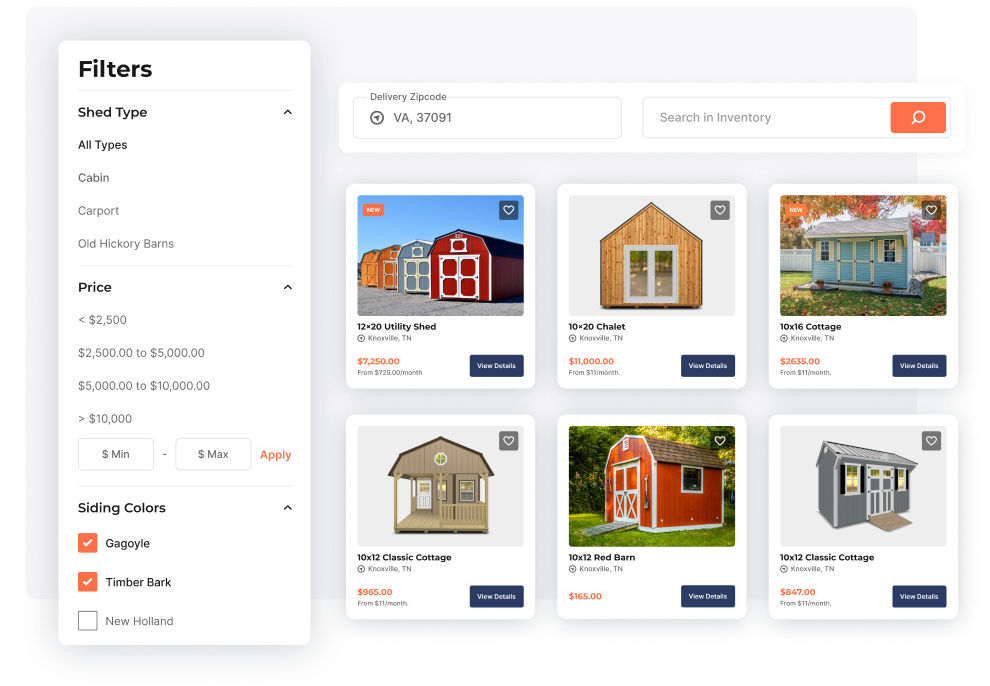
With OpsHub, inventory across locations becomes visible in one system. Teams can quickly see:
- what is available
- where it is located
- how quickly it is moving
That creates flexibility.
Instead of losing a deal because one lot is out of stock, your team can move inventory intelligently between locations.
Your Website Should Act Like a Central Hub
Many multi-location dealers still treat each lot separately online.
That creates confusion for customers.
One location has updated inventory. Another does not. One location looks modern. Another looks outdated. Customers bounce between Facebook pages, websites, and phone numbers trying to figure out where to go.
A centralized website fixes this.
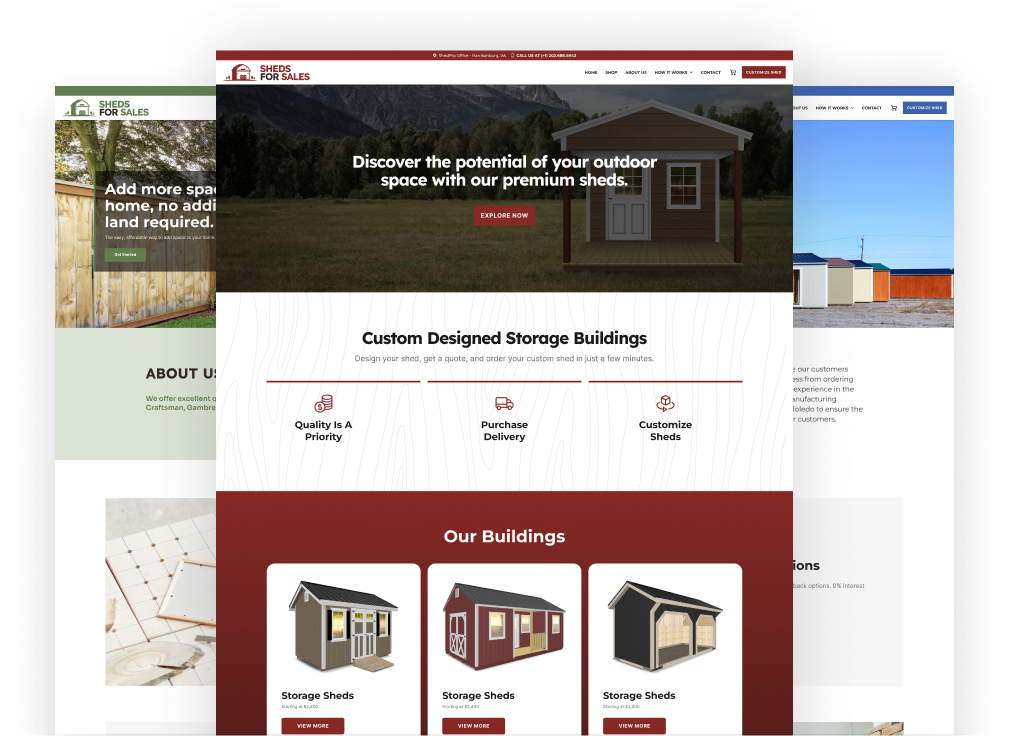
Instead of operating as disconnected locations, every lot connects through one digital storefront. Customers can browse inventory, explore financing, view available buildings, and contact the correct location from one place.
That creates a cleaner buying experience. It also gives your business a much stronger online presence overall.
More importantly, your website keeps generating leads even when the physical lots are closed.
Standardize the Buying Experience Across Every Lot
Inventory is only part of the equation.
The customer experience matters just as much.
One of the biggest problems multi-location dealers face is inconsistency between locations. One salesperson handles leads effectively. Another takes too long to respond. One lot presents inventory professionally online. Another barely updates listings.
Customers notice this immediately.
That is why your digital experience needs to stay consistent across every location.
A centralized website combined with a 3D configurator helps solve this.
Now, instead of relying entirely on each physical lot, customers can browse inventory, explore options, and design their building online before ever visiting a location.
This creates two major advantages.
First, every customer gets the same experience no matter which market they are in.
Second, buyers move further down the sales process before speaking to your team.
By the time someone submits a configuration, they already know what they want. That means your team spends less time qualifying leads and more time closing deals.
At the same time, configurator activity gives you visibility into what buyers are actually looking for across different markets.
Track Performance by Location, Not Guesswork
As you grow, gut instinct becomes less reliable.
You need clear reporting.
Without it, problems stay hidden too long.
For example:
- One lot may generate lots of leads but close poorly
- Another may close well but struggle with inventory turnover
- One market may respond strongly to ads while another doesn’t
If you cannot see this clearly, you cannot improve it.
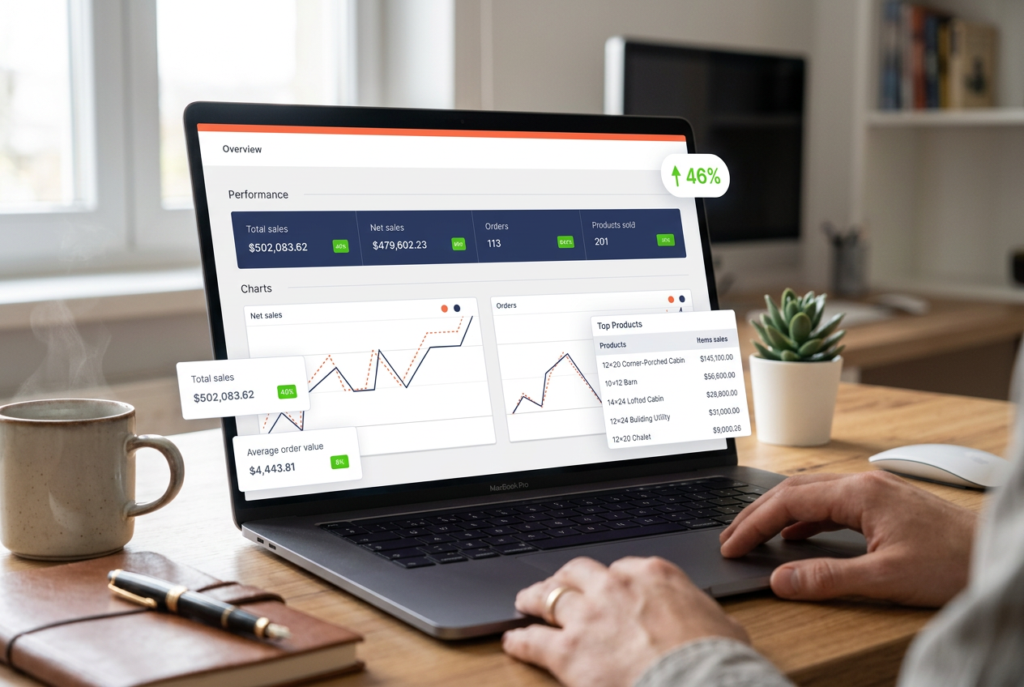
Centralized reporting fixes that.
Instead of piecing together numbers manually, you can track:
- sales by location
- lead sources by market
- inventory movement
- delivery timelines
- close rates
Now decisions become easier.
You stop guessing which locations need help because the data tells you directly.
Marketing Needs to Stay Centralized Too
Many multi-location dealers make the same mistake.
They market each location separately with no unified strategy.
That creates inconsistent branding, wasted ad spend, and scattered messaging.
A better approach is centralized marketing with location-level targeting.
For example, Google Ads campaigns can target individual markets while still operating under one overall strategy. That means you can drive traffic directly to the correct location while keeping your messaging consistent across every market.
At the same time, your website and 3D configurator continue working as centralized lead generation tools behind the scenes.
This creates consistency while still supporting local demand.
More importantly, it gives you visibility into which regions are generating the strongest return.
The Goal Is Control, Not Just Growth
Adding more locations should make your business stronger.
However, without systems, growth creates confusion instead of momentum.
The businesses that scale successfully are not necessarily working harder. They simply have better visibility across the entire operation.
They know:
- where inventory is moving
- where leads are converting
- where bottlenecks are forming
And because they can see clearly, they can act quickly.
The Real Advantage
Managing multiple shed lots does not have to feel chaotic.
When your website, 3D configurator, marketing, inventory, and reporting systems all work together, growth becomes easier to control.
Your team stays aligned. Customers get a consistent experience. And every location moves in the same direction.
That is the real goal.
Not just more locations.
A stronger system behind them.
And if you want, in a quick 30-minute call, we’ll pinpoint the single biggest issue suppressing your online shed sales and give you 3 quick wins you can apply this week. Click the button below to book a free call today.

Copy Link