Seasonal Demand Planning for Shed Dealers: Getting Ahead of the Rush
Copy Link

Most shed dealers don’t miss demand because it isn’t there.
They miss it because it shows up earlier than expected.
And by the time it’s obvious, it’s already too late to plan around it.
Demand Is Shifting Earlier
This year made that clear.
Search data showed that March 2026 was the strongest March for shed-related interest in the past three years. On top of that, early 2026 tracked ahead of 2025.
That tells you everything you need to know.
Buyers are starting earlier.
They’re researching sooner. They’re designing sooner. And they’re ready to move sooner.
Which means if you’re planning inventory when the lot gets busy, you’re already behind.

The Goal Isn’t to React. It’s to Anticipate.
If you want to stay ahead, you need to shift how you plan.
- Don’t base decisions on what’s happening now
- Base them on what’s about to happen next
That means using signals, not guesswork.
Step 1: Use Your Past Data to Predict Demand
Start with what you already have.
Look at your last 12 to 24 months and ask:
- What sold first?
- What sold the fastest?
- When did demand spike?
Patterns show up quickly.
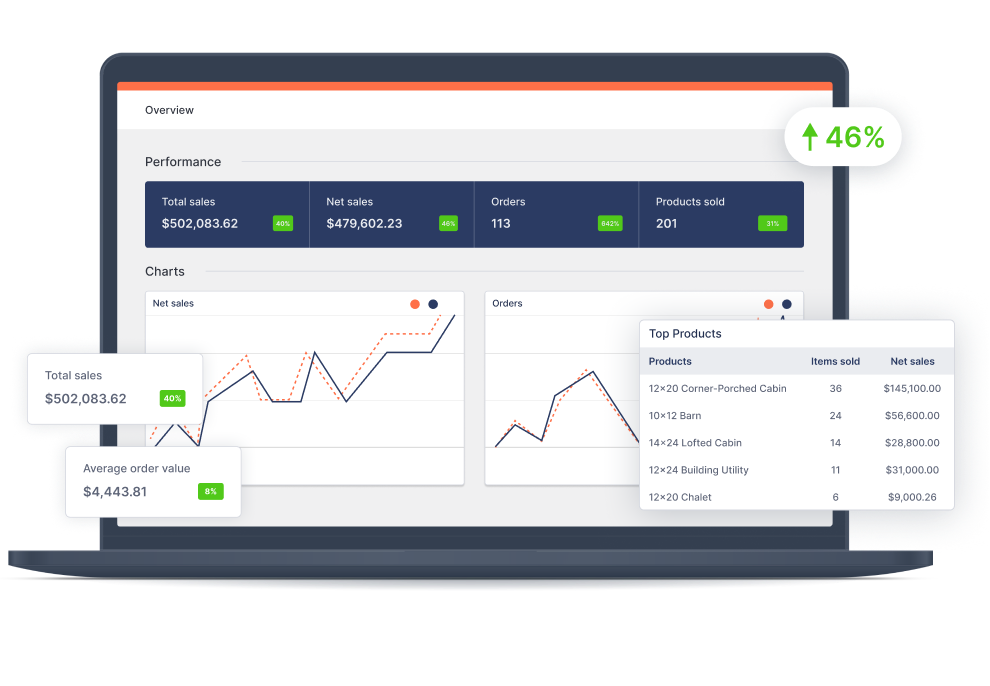
This is where OpsHub becomes valuable. It brings your sales, inventory, and delivery timelines into one place, so you can see trends clearly.
Instead of guessing what might sell, you can plan around what already has.
Step 2: Watch Demand Form in Real Time
Past data shows patterns. However, real-time behavior shows what’s coming next.
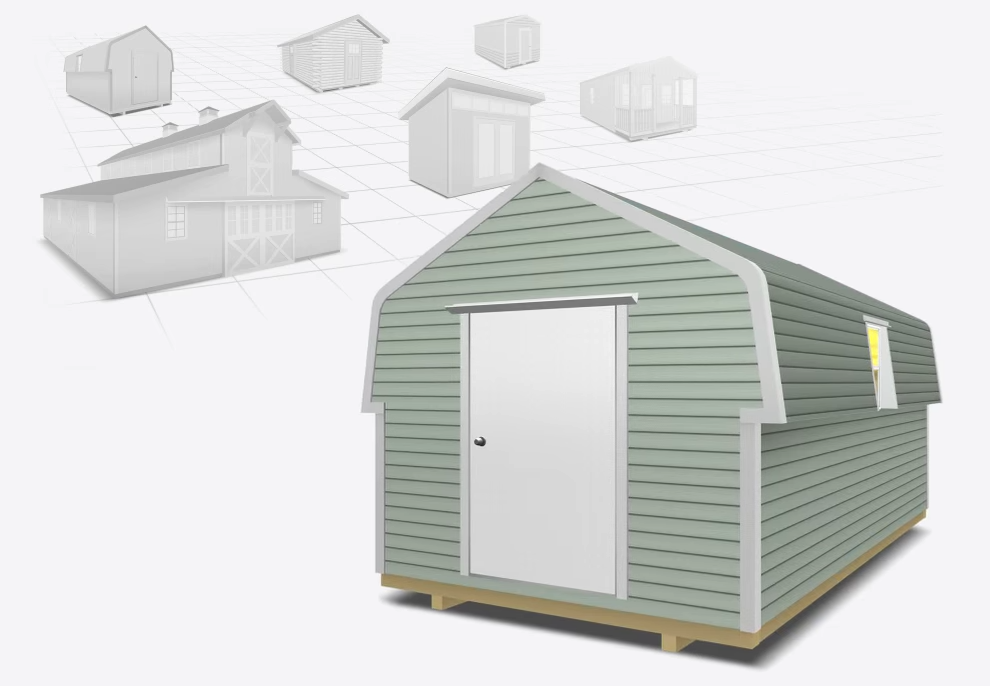
Your 3D configurator is one of the strongest early signals you have.
Customers use it before they buy.
So, when you see:
- More people designing larger buildings
- Certain features showing up repeatedly
- Increased configurator activity overall
That’s demand forming.
Not next month. Not later this year.
Right now.
Step 3: Align Inventory With What Buyers Actually Want
Once you combine past data with real-time signals, the next step is simple.
Adjust your inventory early.
That means:
- Stock more of what consistently sells first
- Prioritize builds that move quickly
- Reduce reliance on slow, complex builds during peak demand
This is how you stay ahead of the rush instead of reacting to it.
Step 4: Plan for Two Peaks, Not One
Some dealers focus on spring.
However, there are two clear demand waves:
Spring: Customers preparing for summer use
Fall: Customers preparing for storage and winter
If you plan for both, you create two growth opportunities instead of one.
Use what you learn from spring to refine your fall strategy.
Then go one step further and start earlier next year.
What Staying Ahead Actually Looks Like
When you plan ahead, everything changes.
Inventory matches demand.
Lead times stay under control.
Customers move faster.
Most importantly, you’re not scrambling when things get busy.
You’re ready.
The Real Advantage
Demand is predictable.
The only variable is timing.
Right now, the signal is clear. Buyers are starting earlier. Interest is building sooner. The next rush will not wait.
The dealers who use their data, watch demand form in real time, and plan ahead will capture more of it.
The rest will be trying to catch up.
The difference isn’t effort.
It’s timing.
If timing is the difference, it’s worth getting it right.
In a 30-minute call, we’ll show you where your current setup is falling behind and give you 3 quick wins to stay ahead of the next demand wave.

Copy Link